How to Describe Imposter Game Words: A Guide by Category
Choosing the right description template from our imposter words list makes it easy to join the game. This guide provides imposter game word ideas for three key imposter game categories and themes: concrete words, abstract words, and action words. Each section includes clear examples and templates to help you describe even the hardest words for imposter game.
🧱 I. Concrete Words: Tangible Objects You Can See/Touch
Core Template: 「Basic Attributes (Shape/Material/Color) + Core Function」
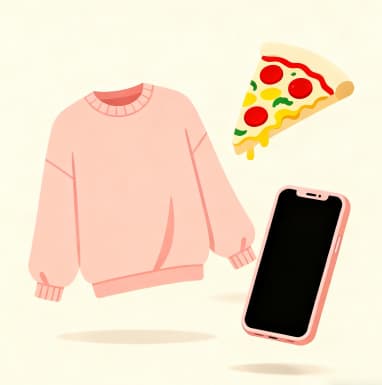
(Perfect for: Food, clothing, everyday items—e.g., "milk tea", "sweater", "mobile phone", "pizza")
1. Food & Drinks: Start with "What It Is", Then "What It Does"
Milk tea
Template Breakdown & Example- Attributes: Milk-based, liquid
- Function: Quenches thirst, sweet flavor
- Full Description: "A milk-based drink that’s sweet and helps quench your thirst"
Don’t add specifics like "boba" or "iced"! These aren’t universal (e.g., someone might get "matcha latte" as their undercover word—no boba, so extra details give you away).
Pizza
Template Breakdown & Example- Attributes: Round, baked dough, topped with cheese
- Function: Fills you up, eaten as a meal
- Full Description: "A round baked dish with dough and cheese that works as a filling meal"
Skip brand names like "Pepperoni" or "Margherita"! These are specific types, not general features—undercover players can’t mimic niche toppings.
2. Clothing & Accessories: Focus on "When/How It’s Used"
Sweater
Template Breakdown & Example- Attributes: Knitted, warm fabric
- Function: Worn in cold weather
- Full Description: "A knitted piece of clothing made with warm fabric, perfect for cold days"
Don’t say "high-neck" or "striped"! Not all sweaters have these details—if your word is "hoodie" (undercover), you’ll accidentally reveal the difference.
3. Everyday Gadgets: Highlight "What It Does"
Mobile Phone
Template Breakdown & Example- Attributes: Portable, has a screen
- Function: Makes calls, plays videos
- Full Description: "A portable device with a screen—you can make calls and watch videos on it"
Avoid "iPhone" or "Android"! These are brands, not general features. "Mobile phone" works for everyone, no matter the brand.
💭 II. Abstract Words: Feelings & Ideas
Core Template: 「Common Scenarios + How It Feels」
(Great for: Emotions, states, concepts—e.g., "happiness", "loneliness", "freedom", "stress")

1. Emotions: Tie Feelings to Familiar Moments
Happiness
Template Breakdown & Example- Scenarios: Hanging out with friends, getting a gift
- Feeling: Warm, smiley
- Full Description: "The feeling you get when hanging out with friends or getting a nice gift—warm and makes you smile"
Don’t use "Christmas" or "Birthday"! Not everyone celebrates the same holidays. Stick to universal moments.
2. States of Being: Explain "What It Looks Like"
Freedom
Template Breakdown & Example- Scenarios: No work on weekends, choosing your plans
- Experience: No rules, able to relax
- Full Description: "The state when you have no work (like weekends) and can choose your own plans—no rules, just relaxing"
Skip "quitting your job" or "moving out"! These are big life changes, not everyday freedom.
🏃 III. Action Words: Things You "Do"
Core Template: 「Where You Do It + What You Do + Why You Do It」
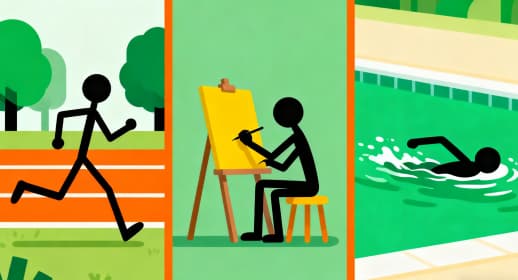
(Ideal for: Hobbies, sports, daily tasks—e.g., "running", "drawing", "cooking", "reading")
1. Sports & Fitness: Focus on "How/Where You Move"
Running
Template Breakdown & Example- Location: Park, sidewalk
- Action: Moving fast on two feet
- Purpose: Exercise, staying healthy
- Full Description: "Moving fast on two feet—you do it in parks or on sidewalks to exercise and stay healthy"
Don’t say "marathon" or "fast"! Most running is casual—specifics like "marathon" only fit some people.
2. Hobbies & Daily Tasks: Highlight "Tools/Goals"
Drawing
Template Breakdown & Example- Tools: Paper, pencils/markers
- Action: Making lines/shapes
- Purpose: Having fun, creating art
- Full Description: "Making lines and shapes with paper and pencils (or markers)—for fun and creating simple art"
Don’t add "portraits" or "watercolors"! These are specific types of drawing—stick to basics.
❌ IV. Top 3 Mistakes All Players Make (And How to Fix Them)
- Adding Too Many Specifics: Saying "iced coffee with sugar" instead of "a bean-based drink" gives away your word immediately. Stick to 1-2 broad features—nothing more.
- Using Niche References: Mentioning "Super Bowl parties" or "Halloween candy" limits resonance. Use everyday scenarios (e.g., "weekend plans" or "sweet snacks") instead.
- Being Too Vague: Saying "it’s something you use" tells no one anything! Always include 1 attribute + 1 function (e.g., "a portable device that makes calls").
💡 V. Finding Good Words for Imposter Game
Coming up with your own imposter game themes and words can be fun! Here are some tips:
- Funny Imposter Words: Think of words that have double meanings or are easily misinterpreted. These often lead to the most hilarious moments.
- Hard Words for Imposter Game: Choose abstract concepts or very specific technical terms to challenge experienced players.
- Good Words for Imposter Game: The best words are familiar to all players but have enough nuance to allow for creative descriptions. Check out our imposter words list for more ideas.
Follow these templates, and you’ll blend in as a civilian, outsmart undercovers, or survive as a blank slate—every time!